

Global Cosmetic Brush Market Size Expected to Reach New Heights by 2026
Global Cosmetic Brush Market Size Expected to Reach New Heights by 2026
The global cosmetic brush market is on track to achieve significant growth, with projections indicating it will reach new heights by 2026. This expansion is driven by a confluence of factors, including rising consumer demand for high-quality beauty tools, evolving beauty trends, and the expansion of distribution channels, particularly in emerging markets.
A key driver behind this growth is the surge in global beauty consumption. As disposable incomes rise, especially in Asia Pacific and Latin America, consumers are increasingly investing in premium cosmetic products, including professional-grade brushes. The shift toward "self-care" and makeup as a form of self-expression has further fueled demand, with younger demographics, such as Gen Z and millennials, prioritizing tools that enhance makeup application precision and longevity.
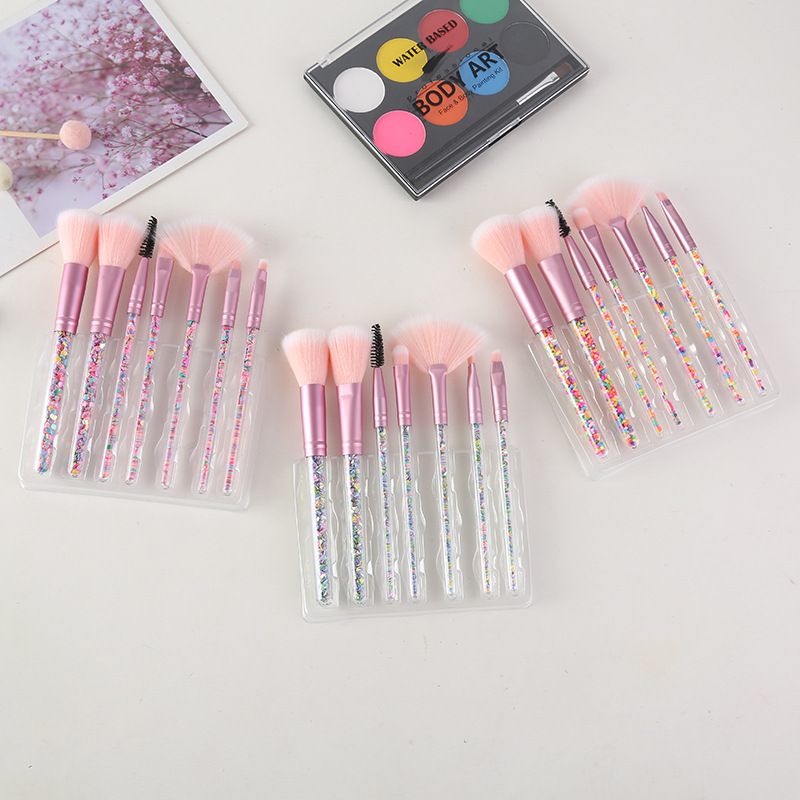
Material innovation is another critical trend shaping the market. Traditional natural hair brushes, once favored for their softness, are facing competition from advanced synthetic fibers. Synthetic brush fibers, made from materials like nylon or polyester, offer several advantages: they are cruelty-free, hypoallergenic, and often more durable and affordable than natural alternatives. Brands are investing in R&D to improve synthetic fiber quality, mimicking the texture and performance of natural hair, which has broadened their appeal among eco-conscious and ethical consumers.
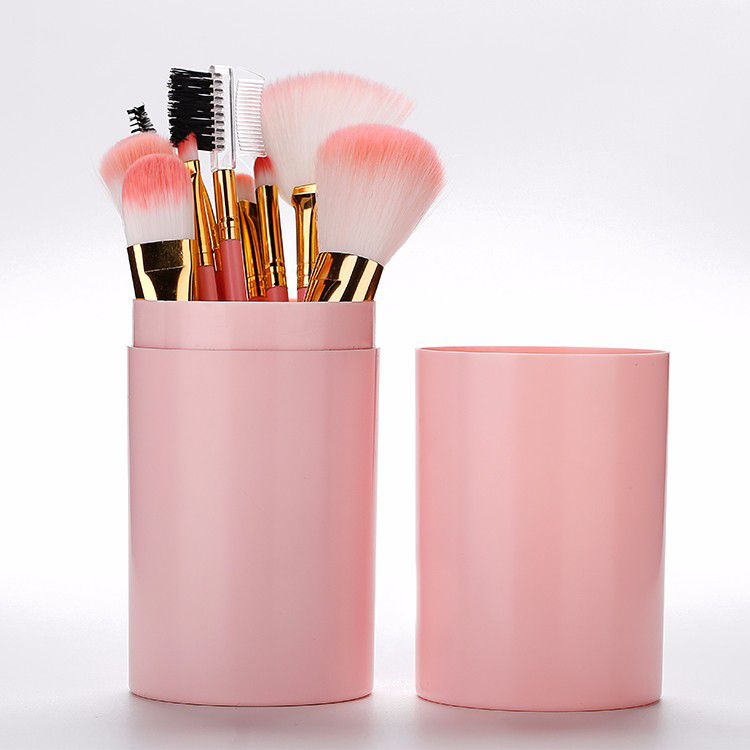
E-commerce has emerged as a game-changer for market growth. Platforms like Amazon, Sephora, and brand-owned online stores have made cosmetic brushes accessible to a global audience, while social media influencers and beauty tutorials have educated consumers on the importance of using the right tools. Live-stream shopping and user-generated (UGC) further drive sales, as consumers trust peer reviews and visual demonstrations of brush performance.
Regionally, Asia Pacific is expected to lead growth, accounting for the largest market share by 2026. Countries like China, India, and South Korea are hotbeds of beauty innovation, with a strong culture of skincare and makeup. The rise of K-beauty and J-beauty trends has popularized multi-step makeup routines, increasing the need for specialized brushes (e.g., precision eyeshadow brushes, foundation blending brushes). North America and Europe, while mature markets, will see steady growth due to demand for luxury and organic cosmetic brushes, as well as the presence of established brands.
Challenges persist, however. Fluctuations in raw material prices, particularly for natural hair, and intense competition from low-cost, unbranded products could hinder market expansion. Additionally, regulatory pressures to reduce plastic waste are pushing brands to adopt sustainable practices, such as biodegradable handles or recyclable packaging, which may increase production costs in the short term.
Despite these challenges, opportunities abound. The growing male grooming market, though nascent, presents untapped potential, as more men invest in makeup and skincare tools. Customization, where consumers can personalize brush sets or handle designs, is also gaining traction, offering brands a way to differentiate themselves. Furthermore, advancements in manufacturing, such as 3D-printed brush handles or antimicrobial brush fibers, are set to enhance product functionality and attract tech-savvy consumers.
In conclusion, the global cosmetic brush market is poised for robust growth by 2026, driven by consumer demand for quality, material innovation, and digital retail expansion. Brands that prioritize sustainability, technological advancement, and regional market insights will be best positioned to capitalize on this upward trajectory.


